Altitude Sickness 101
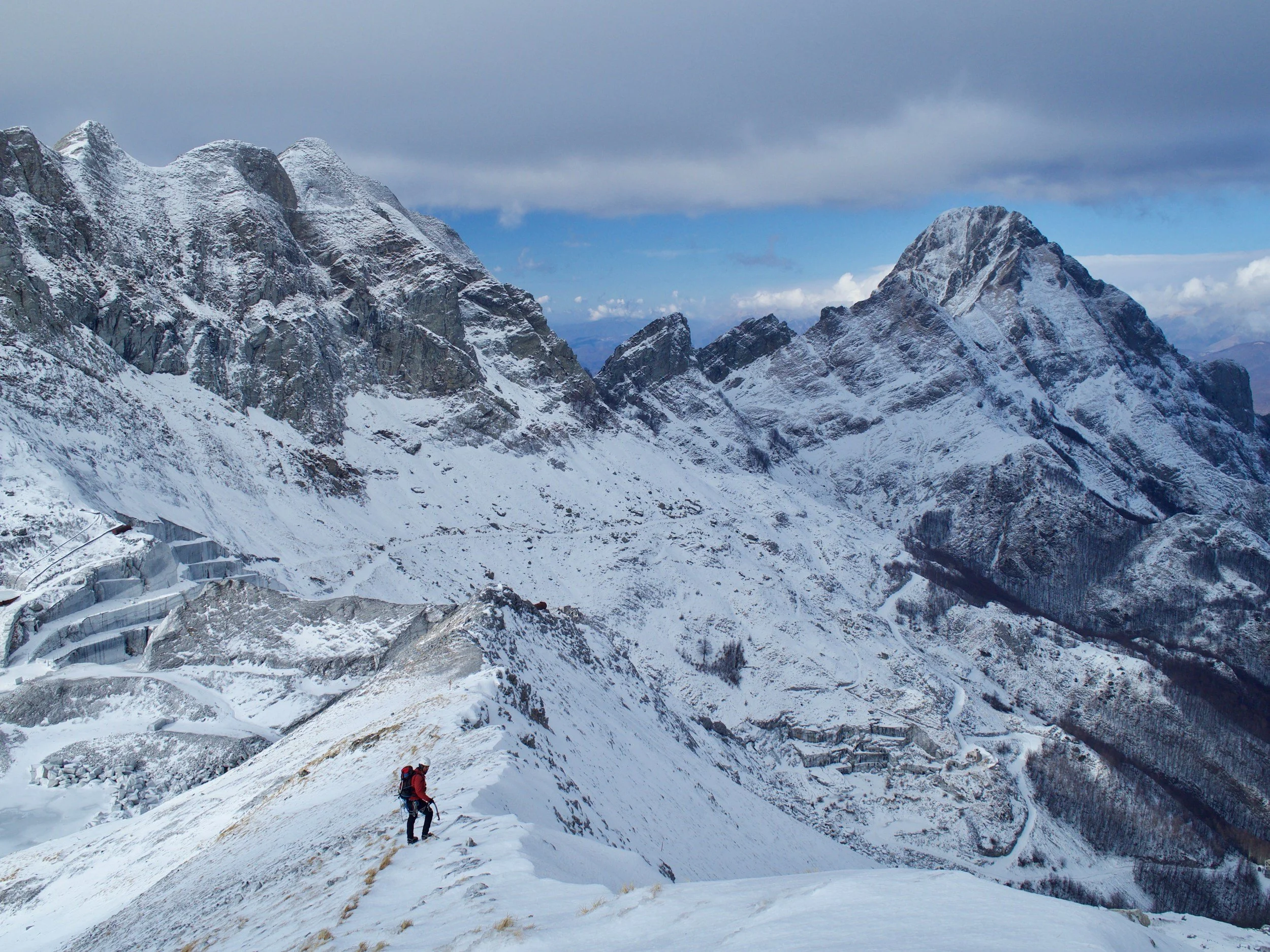
Altitude Sickness 101: What You Need to Know Before Heading High
By: Dr. JR Dadivas, Founder of Prepped Health
High Hopes, Thin Air: Understanding AMS, HAPE, and HACE
Altitude sickness isn’t just one condition — it’s a spectrum. It ranges from the milder Acute Mountain Sickness (AMS) to the potentially fatal High-Altitude Pulmonary Edema (HAPE) and High-Altitude Cerebral Edema (HACE). These conditions arise from the body’s inability to adapt to reduced oxygen pressure at elevation.
What Is Altitude Sickness?
Altitude sickness refers to a group of conditions that can affect people who ascend to higher altitudes too quickly. It generally begins at elevations above 8,000 feet (2,500 meters), where partial pressure of oxygen begins to drop significantly. The umbrella term includes:
Acute Mountain Sickness (AMS): The most common and mildest form
HAPE: Fluid in the lungs
HACE: Swelling in the brain
Symptoms of AMS (Acute Mountain Sickness)
Headache (often the first symptom)
Nausea and vomiting
Loss of appetite
Fatigue or weakness
Dizziness or lightheadedness
Poor sleep or insomnia
Shortness of breath with exertion
Feeling hungover without drinking
Increased urination (diuresis) in early acclimatization
Fitness level doesn’t matter. You can be an elite athlete and still get AMS. It’s about how fast your body can adapt — not how strong it is.
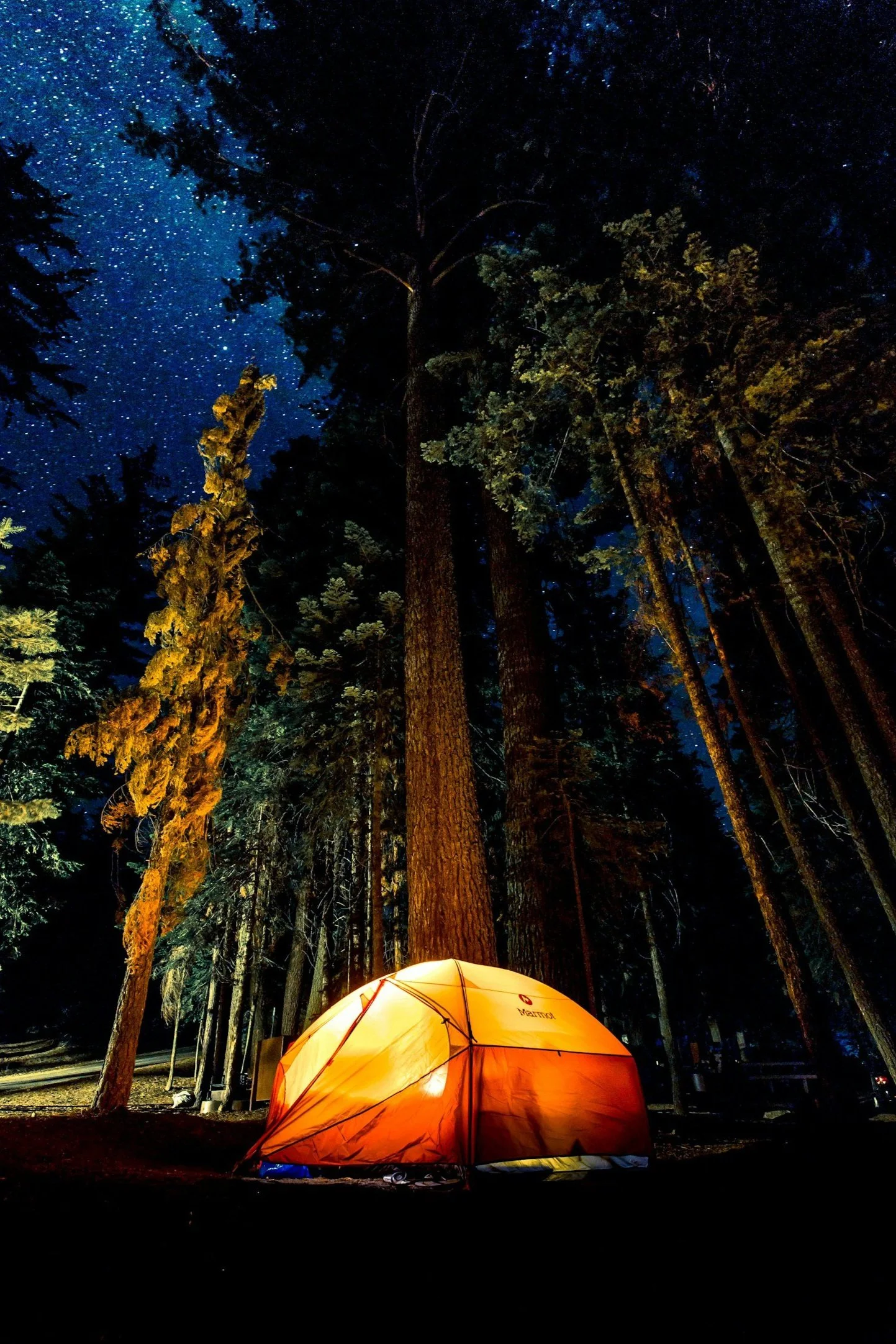
Sleeping at elevation increases your risk for acute mountain sickness — even if you felt fine earlier in the day
A Real-World Altitude Case
While overlanding through Colorado with family, we stayed a night in Denver before ascending higher each day. On day three, we camped near a trailhead around 8,000 feet. This trail led toward Yankee Boy Basin (12,400 ft) and Imogene Pass (13,114 ft).
That night, one of my cousins developed a pounding headache, nausea, and vomiting. Inside his tent were several empty Boost oxygen canisters — by that point, it looked like he’d opened a pop-up oxygen lounge in a one-man tent. He was trying everything short of building a hyperbaric chamber from trail mix and duct tape. It was clear he was trying everything he could to feel normal again.
By the middle of the night, he woke me up — pale, miserable, and done. I knew exactly what was happening. We packed up and descended immediately.
His symptoms resolved almost as soon as we dropped to a lower elevation.
What Boost Oxygen Can (and Can’t) Do
Boost oxygen cans are sold all over Colorado — you’ll find them in gas stations, grocery stores, and gear shops. They’re marketed as quick, portable oxygen relief for high elevations.
What it can do:
Provide short bursts of oxygen for mild AMS symptoms (like lightheadedness)
Offer a placebo boost or psychological reassurance
What it can’t do:
Replace acclimatization
Reverse moderate to severe AMS, HAPE, or HACE
Function as medical-grade oxygen (flow rate and volume are minimal)
In short: it’s not harmful, but it’s not a cure. Use it for what it is — a temporary crutch, not a solution. :::
Why Does This Happen?
As elevation increases, atmospheric pressure drops and the amount of oxygen available to the body decreases. Your body requires time to adjust to these changes — a process called acclimatization. Rapid ascent interrupts this process, leading to hypoxia-related symptoms.
One early physiological response is diuresis, where your body increases urine output in an attempt to balance blood volume and oxygen transport.
When It Gets Dangerous: HAPE and HACE
HAPE (High-Altitude Pulmonary Edema)
Fluid buildup in the lungs
Severe shortness of breath, even while resting
Cough (may produce frothy sputum)
Blue-tinged lips or fingers (cyanosis)
Crackles or wheezing on auscultation
HACE (High-Altitude Cerebral Edema)
Swelling of the brain due to fluid leakage
Confusion, altered mental state
Difficulty walking or poor coordination
Hallucinations
Can progress rapidly to coma or death
These are life-threatening emergencies. Immediate descent is essential. Supplemental oxygen and medications can assist, but nothing replaces getting to a lower elevation.
Prevention and Treatment
The only effective prevention is acclimatization and/or the use of acetazolamide.
Prevention:
Ascend gradually once above 8,000 ft (no more than 1,000 ft sleeping elevation per day)
Take rest days every 2,000–3,000 ft of gain
Stay hydrated
Avoid alcohol and sleep aids
Use acetazolamide (Diamox) prophylactically if rapid ascent is unavoidable
What to Avoid:
Sleeping pills or sedatives (they reduce respiratory drive)
Ignoring early symptoms of AMS
Treatment:
Immediate descent is the most effective intervention
Acetazolamide: Speeds up acclimatization
Dexamethasone: A steroid used to reduce brain swelling in moderate to severe AMS or HACE
Oxygen therapy: Especially for moderate to severe symptoms
Canned oxygen products may offer mild temporary relief, but are not a substitute for proper acclimatization or true oxygen therapy.
Final Takeaway
Altitude sickness can affect anyone, regardless of physical fitness. It’s not about strength — it’s about physiology. The faster you ascend, the greater your risk. AMS is the first warning sign. Ignore it, and you could end up facing HAPE or HACE.
Be ready. Acclimate slowly. Know when to descend. And bring the right medications.
Prepped Health can provide wilderness/altitude-specific consultations — so you’re prepared before your next adventure.
Travel Smart. Stay Prepped.
